Digital First Dentistry › Working with a digital dental laboratory
Working with a digital dental laboratory
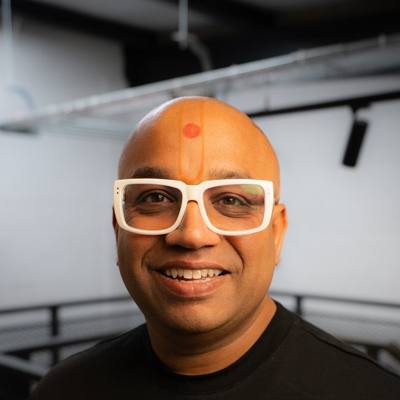 By Dr Bhavin Bhatt BDS MFGDP RCS (Eng) · GDC 76358
Updated November 2026
A digital impression removes the tray, the post and the risk of a distorted impression. It does not remove the need for a clear conversation with the laboratory. Most remakes still come from missing information, not from the scanner.
Before you send
- Check the margins on screen. Every margin should be visible and continuous. Retract and rescan the area if it is not.
- Scan both arches and the bite. Check the bite record on screen before the patient leaves.
- Write a full prescription. Material, design, contacts, occlusion and any special instructions.
- Add shade information. Photographs with a shade tab in view help where appearance matters.
Choosing and working with a laboratory
- Confirm they accept open file types from your scanner.
- Confirm the laboratory is registered with your country’s medical device regulator (in the UK, the MHRA) and that each case comes with a statement of manufacture.
- Agree turnaround times and what happens if a case needs a remake.
- Ask for a short review of your first few scans; most laboratories will point out what would help them.
Laboratory or chairside?
Many practices use both: the laboratory for complex, aesthetic or multi-unit work, and chairside printing for suitable single units. See printed crowns: what works and what doesn't, and try your own figures in the chairside printing calculator.
Common questions
What should I send the laboratory with a scan?
Both arches, a bite record, the prepared tooth with clear margins, a written prescription, and shade information or photographs where appearance matters.
Does a digital laboratory need to be registered?
Rules vary by country. In the UK, makers of custom-made dental devices must be registered with the MHRA, and the device should come with a statement of manufacture. Ask your laboratory to confirm both.
Is a digital laboratory faster?
Often, because there is no impression to post, but turnaround depends on the laboratory and the case. Agree expected times at the start.
Get the white paper, starter guide and checklist
Free. Enter your email and we will email all three to you.
Check your inbox.
We have sent you a short email to confirm your address. Click the button in it and your free resources arrive straight away. If it is not there in a few minutes, look in your spam or promotions folder.