Digital First Dentistry › Communicating scan findings and recording consent
Communicating scan findings and recording consent
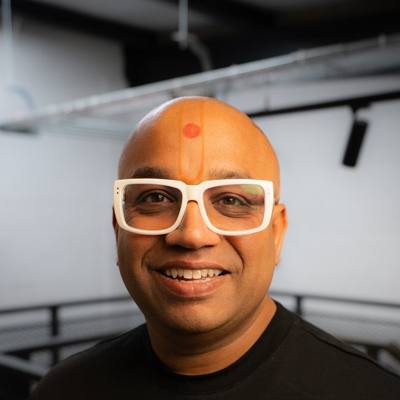 By Dr Bhavin Bhatt BDS MFGDP RCS (Eng) · GDC 76358
Updated November 2026
About this CPD
- Format
- Free online self-study, about 1 hour: this page, the required reading below, a five-question check and a short feedback form.
- CPD hours
- 1 hour of verifiable CPD
- Aim
- To help dental professionals discuss intraoral scan findings in a way that patients understand, that keeps the patient’s interests first and that supports valid consent.
- Objectives
- Use a show, compare and grade approach to discuss scan findings.
- Apply a shared traffic-light language (stable, to discuss, at risk) across the team.
- Present the full range of options, including monitoring and no treatment, with their likely consequences.
- Record the discussion and the patient’s decision so it supports valid consent and a structured review.
- GDC development outcomes
- A: Effective communication with patients, the dental team and others across dentistry, including obtaining valid consent, dealing with complaints and raising concerns when patients are at risk.
- D: Maintenance of skills, behaviours and attitudes which maintain patient confidence in you and the dental professions and put patients’ interests first.
- Provider and quality assurance
- Provided by Bhavin Associates Ltd (company 07713563). Quality assured by Dr Bhavin Bhatt BDS MFGDP RCS (Eng), GDC 76358, for Bhavin Associates Ltd. See how CPD is quality assured.
The scan changes who does the explaining
Without a scan, the clinician describes something the patient cannot see. With a scan on screen, the patient looks at their own teeth. Done well, the conversation becomes a shared look at the evidence. Done badly, it becomes a sales pitch with pictures. The difference lies in how findings are introduced, graded and followed up.
Show, compare, grade
- Show before you speak. Turn the screen towards the patient and let them look. Ask what they notice. Many patients point out wear, chips or gaps themselves.
- Compare where you can. One scan shows how things are. Two scans show how things are changing, and change is what helps a patient decide whether to act now or wait.
- Grade every verified finding. Use the same three words across the whole team.
A shared traffic-light language
- Stable: recorded, nothing to do now, look again at the next check-up.
- To discuss: worth a conversation and a closer clinical check.
- At risk: likely to need treatment; talk through the options.
Only findings that have been confirmed clinically, and with radiographs where indicated, are graded and discussed as findings. Something seen on screen and not yet verified is a reason to look more closely, not something to present to the patient as a problem.
Options, including monitoring and no treatment
The GDC’s standards expect patients to be given the information they need, in a way they can understand, to make decisions about their care, including the option of no treatment and the risks and likely outcomes of each option. Scan-led conversations make it easy to do this well:
- describe each reasonable option, including monitoring and no treatment;
- explain the likely consequences of each, including what the next scan may show if nothing is done;
- give the cost of each option where treatment is proposed;
- give the patient time, and do not press for a decision on the day.
Patients who feel free to say "not yet" are more likely to return and to trust what they are told. A decision to monitor is a valid outcome, not a failed conversation.
Recording the conversation
Good records protect the patient and the clinician. Record what was seen, how it was graded, the options discussed (including monitoring and no treatment), the patient's questions, their decision and the agreed review interval. Saving the scan and noting which scan was shown makes the next comparison straightforward.
The structured review
When a patient decides to wait, book a review to look at the finding again. The next scan shows whether it has changed, and the decision is then made on evidence rather than memory. This is where routine scanning and good communication meet.
Working as a team
When every member of the team uses the same words, patients hear one consistent message. Agree the language, how it is recorded and who explains what. Dental nurses and receptionists can reinforce it without giving clinical opinions.
Required reading
Read these short pages as part of this CPD:
- Talking to patients about their scan, without selling
- Traffic-light assessment
- Consequences of no treatment
Doing this as a team? Send it to your nurses and hygienists: WhatsApp · Email
Check your learning
Answer all five questions. You need four correct to continue. You can try again.
Feedback and certificate
Your feedback is part of quality control and is required before your certificate is issued. Your name and GDC number appear on the certificate. We keep your feedback and details to manage CPD records; see the privacy notice.
Your certificate
Thank you. Your certificate is ready.
Keep it with your CPD record and personal development plan, and note which development outcomes it meets.
Share it: Post on LinkedIn · Send on WhatsApp
Monitoring tooth wear and change with intraoral scans →
Get the white paper and the starter guide
Free. Enter your email and both open straight away.