Digital First Dentistry › Aligners and restorative dentistry
Aligners and restorative dentistry: one plan
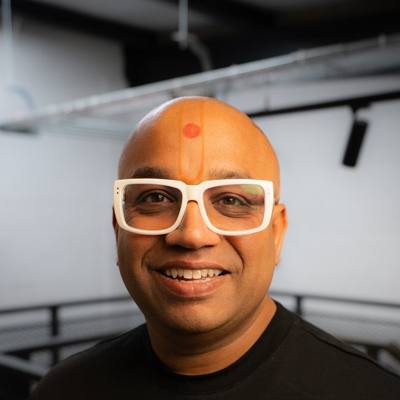 By Dr Bhavin Bhatt BDS MFGDP RCS (Eng) · GDC 76358
Updated November 2026
Aligners and restorative dentistry are often sold as separate things: one cosmetic, one repair. In a digital-first practice they are two parts of the same plan, and the routine scan is where that plan starts. See also Invisalign for dentists, clear aligner systems for dentists and digital smile design.
The usual split
A patient asks about straighter teeth and gets an aligner consultation. Another breaks a cusp and gets a crown. Each problem is solved on its own, often by different people, and nobody looks at how the two are connected. Yet crowded, tipped or drifted teeth are often why wear, fractures and failing fillings keep happening in the same places.
Moving teeth before restoring them
In the right case, moving teeth first changes the restorative plan:
- A tipped or rotated tooth may need less tooth removed for a crown, onlay or veneer once it is upright and in line.
- Spaces can be opened or closed to the right size before an implant or bridge is planned.
- Worn front teeth can sometimes be restored with additive work rather than full crowns once space has been created.
- A more even bite spreads load more evenly, which matters for the long-term health of restorations.
This is sometimes called restorative-led orthodontics: the tooth movement is planned around the restorative goal, not the other way round.
Occlusion first
Heavily restoring worn back teeth into a bite that is not working well risks repeating the same failures. Assessing the bite first, and correcting tooth position where it helps, means new restorations go into a stable bite. Clear aligners are often the least invasive first step, because they move teeth without removing tooth tissue.
Where the scan fits
The same full-arch scan made at the routine check-up serves both sides of the plan. It records wear, crowding and contacts for the restorative assessment, and it is the starting record for aligner planning. Some systems can show the patient a simulation of possible tooth movement. Patients can see why moving teeth might come before a crown, which a verbal explanation rarely achieves.
The patient's route
- Scan: a full-arch scan at the routine check-up.
- See: wear, crowding and bite problems shown on screen, graded stable, to discuss or at risk.
- Talk: the options explained, including doing nothing and monitoring.
- Plan: where indicated, tooth movement first, then the smallest restorative work that does the job.
The patient chooses. Some want only the restorative work; some only alignment; some the combined plan. Each is a valid outcome when it is an informed choice.
Next steps
Read the Restorative guide for scan-led restorative planning and Scan to plan for building a plan from the scan. The definition of digital-first dentistry sets out the whole model.
Common questions
Are aligners only cosmetic?
No. In the right case, moving teeth first can make later restorative work smaller, simpler or unnecessary. The decision is clinical and depends on the whole mouth.
What does occlusion-first mean?
Assessing and, where needed, improving the bite before heavily restoring worn or broken-down teeth, so new restorations are placed into a stable bite.
Does every patient need aligners before restorations?
No. Many do not. A full-mouth scan and examination show when tooth position is part of the problem and when it is not.
How does the scan help the patient decide?
They can see crowding, wear and how their teeth meet, and some systems can show a simulation of possible tooth movement. Seeing it makes the trade-off between moving teeth and restoring them easier to understand.
Get the white paper and the starter guide
Free. Enter your email and we will email both to you.
Check your inbox.
We have sent you a short email to confirm your address. Click the button in it and your free resources arrive straight away. If it is not there in a few minutes, look in your spam or promotions folder.