Digital First Dentistry › Digital smile design (DSD)
Digital smile design (DSD): a guide for dentists
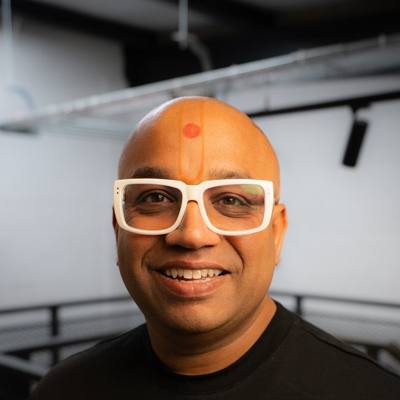 By Dr Bhavin Bhatt BDS MFGDP RCS (Eng) · GDC 76358
Updated November 2026
Digital smile design (DSD) means planning the appearance of a smile digitally before treatment: combining facial photographs or video with an intraoral scan, designing the new tooth shapes in software, and turning the design into a mock-up the patient can see and try. The term is used generally, and is also the name of a specific company and method; this page uses the general meaning.
The workflow
- Records: facial photographs (smiling, at rest, profile) or video, an intraoral scan and the bite.
- Analysis: facial midline, lip line, tooth proportions and gingival levels.
- Design: new tooth shapes designed in software and merged with the scan.
- Mock-up: a printed model and silicone index let the design be tried in the mouth with temporary material.
- Plan: decide whether aligners, gingival work, bonding, veneers or crowns are needed, often moving teeth first to reduce preparation.
Why it matters for consent
Patients see and try a proposed result before committing, which helps expectations. A design is an illustration, not a promise: record that the final result may differ.
Where the scan fits
The intraoral scan is the base of every digital design. Practices that scan routinely already have the records to start a smile conversation when a patient asks. See aligners and restorative dentistry and printed restorations.
Independent: no company pays for this page, and Digital First Dentistry does not endorse products. Facts checked 15 November 2026; programmes, names and availability vary by country and change often. Independence policy.
Common questions
What is digital smile design?
Digital smile design is planning the appearance of a smile digitally, using facial photographs or video, intraoral scans and design software, before any treatment starts. The plan can be shown to the patient and turned into a mock-up.
Is digital smile design a brand?
The term is used generally, and DSD is also the name of a specific company and method founded by Dr Christian Coachman. This page uses the general meaning.
How does it help patients?
Patients can see a proposed result on their own face and try it in the mouth as a mock-up before agreeing to treatment, which supports informed consent.
Get the white paper and the starter guide
Free. Enter your email and both open straight away.