Digital First Dentistry › Common questions, answered
Common questions, answered
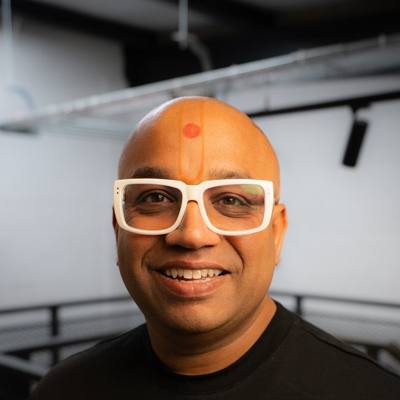 By Dr Bhavin Bhatt BDS MFGDP RCS (Eng) · GDC 76358
Updated November 2026
Straight answers to the questions dentists ask most about scanning at the check-up, printed restorations, implants and making it work in a practice. Each answer links to the full guide.
What is digital-first dentistry? · Scan · Restorative · Restoring implants · Placing implants · Choosing an intraoral scanner for general practice · Working with a digital dental laboratory · Printed crowns · From the routine scan to a restorative plan · Restoring implants from a scan · Printed crowns on implants · Scanning for implant planning · Rolling out scanning across a practice group · Calculator · Scanner ROI calculator · Check-up planner
What is digital-first dentistry?
What is digital-first dentistry?
Digital-first dentistry is a way of practising in which the intraoral scan is taken at the routine check-up, before treatment is decided, so that change can be recorded between visits and care can be planned early. It reverses the usual order, where the scanner is used only after a decision to make a crown, an aligner case or an implant restoration.
How is it different from digital dentistry?
Digital dentistry describes the tools: scanners, design software, printers and milling. Digital-first describes when they are used. A practice can own every digital tool and still be digital second, scanning only to make crowns and aligners.
Does digital-first mean scanning every patient?
It means scanning at every appropriate check-up, alongside the conventional examination, using clinical judgement. The scan is an adjunct to the examination, not a replacement for it.
Is it tied to one scanner brand?
No. The behaviours it describes are not tied to any manufacturer. The original training programme ran within one scanner and aligner ecosystem, and transfer to other platforms has not yet been formally tested.
Where does the term come from?
Dr Bhavin Bhatt, a UK general dentist, uses it to describe the change from check-ups by eye and probe, where the scanner comes last, to check-ups where the scan comes first. It is set out in his white paper on Zenodo and in a University of Manchester study of 97 UK dentists, currently under peer review.
Scan
Should every patient be scanned at the check-up?
Scan at every appropriate check-up, alongside the conventional examination. The scan is an adjunct to the clinical examination, not a replacement for it.
What changed when dentists made scanning routine?
In a University of Manchester study of 97 UK dentists (under peer review), the share scanning at routine check-ups rose from 10% to 80% within 12 months.
Why don't more dentists scan routinely?
Most were never trained to use a scanner diagnostically, and the language of scan-led conversations is not native to them. Time and training, more than the hardware, are the barriers.
Restorative
Are printed restorations good enough for definitive use?
Several ceramic-filled permanent printing resins are cleared for definitive single crowns, inlays, onlays and veneers on natural teeth (US FDA clearance and EU MDR certification). Follow each material's stated indications; long-term survival data is still building.
How much does chairside printing save per restoration?
In the UK, material costs are about £6–10 a unit against about £100–150 for a laboratory restoration, before equipment, chair time and staff costs.
Does the scan decide the treatment?
No. Clinical need decides treatment; the scan informs the conversation and gives the patient a visual reference.
Restoring implants
Can a crown on an implant be printed?
Some systems support printed crowns on implants, so an implant can be scanned, the crown designed and printed, and the patient restored with fewer visits, within each material's stated indications.
Does routine scanning lead to more implant work?
Implant outcomes were not measured in the Manchester study. In practice, one acquired practice grew from about 4 to 30+ implant cases a month after going digital first.
Placing implants
How does a routine scan relate to implant placement?
Routine scans build a visual record over time that supports discussion of the long-term prognosis of individual teeth and future replacement options, including implants where clinically indicated.
What did the digital-first practices report?
One acquired practice grew from about 4 to 30+ implant cases a month; a start-up started 150+ implant cases in its first year. These are practice-reported figures, not study outcomes.
Choosing an intraoral scanner for general practice
Which intraoral scanner is best for general practice?
There is no single best scanner. The right one is the one your whole team will use at every appropriate check-up, that exports open files to the laboratories you use, and whose running costs you understand before you buy.
Should I buy a scanner with a subscription?
Many scanners carry annual software or warranty fees. Neither model is wrong, but compare the total cost over five years, not the purchase price alone.
Who in the team can take the scan?
Check what your regulator allows each team member to do (in the UK, the GDC Scope of Practice) and their training. Many practices train nurses to take routine scans so the dentist's time goes on the conversation.
Working with a digital dental laboratory
What should I send the laboratory with a scan?
Both arches, a bite record, the prepared tooth with clear margins, a written prescription, and shade information or photographs where appearance matters.
Does a digital laboratory need to be registered?
Rules vary by country. In the UK, makers of custom-made dental devices must be registered with the MHRA, and the device should come with a statement of manufacture. Ask your laboratory to confirm both.
Is a digital laboratory faster?
Often, because there is no impression to post, but turnaround depends on the laboratory and the case. Agree expected times at the start.
Printed crowns
Can printed crowns be used as definitive restorations?
Some ceramic-filled printing resins are cleared for definitive single crowns, inlays, onlays and veneers. Use each material only within its manufacturer's stated indications.
What does a printed crown cost to make?
The printing material is typically around £6–10 a unit (UK prices), before the cost of equipment, chair time and the team's time.
What is the most common reason printed restorations fail?
Process errors: poor washing or curing after printing, or not following the bonding protocol. Treat post-processing as clinically important, not as housekeeping.
From the routine scan to a restorative plan
Does every finding on a scan need treatment?
No. Many findings are best monitored. The value of a routine scan is that the next one shows whether anything has changed.
How do I present a plan without overwhelming the patient?
Use three categories: stable, to discuss, at risk. Show the scan, explain the at-risk areas first, and offer monitoring as a genuine option.
How should consent be recorded?
Record the options discussed, including no treatment and monitoring, the material risks the patient would want to know about, and the patient's decision, in line with your regulator's standards (in the UK, GDC standards and the Montgomery ruling on consent).
Restoring implants from a scan
Can every implant case be taken with an intraoral scan?
Single units and short spans usually can, with the correct scan body. For full-arch implant cases, the accuracy of intraoral scanning across the whole arch is still debated, so many clinicians add a verification step.
Why does the scan body matter so much?
The design software recognises the implant position from the scan body. It must match the implant system and connection, be fully seated and undamaged, and match the library the laboratory uses.
How do I capture the soft tissue shape?
Scan the emergence profile quickly after removing the healing abutment, before the tissue collapses, or use a customised healing abutment that has shaped the tissue already.
Printed crowns on implants
Can a printed crown be used on an implant?
Some ceramic-filled printing resins are indicated for single implant crowns bonded to a titanium base. Check the material's stated indications for implant use before you print one.
Screw-retained or cemented?
Many clinicians prefer screw-retained single implant crowns on a titanium base because there is no excess cement and the crown can be removed. Follow the implant and material manufacturers' guidance.
Are printed provisional crowns useful on implants?
Yes. A printed provisional can shape the gum around an implant before the definitive crown, and it is quick and inexpensive to adjust or remake.
Scanning for implant planning
Why does the routine scan matter for implants?
It shows a tooth that is failing years before it is lost. That gives time for a planned conversation about replacement, rather than a decision made in pain or in a hurry.
What is needed to plan an implant digitally?
An intraoral scan of the teeth and gums, and a cone beam CT scan of the bone where clinically justified. Planning software merges the two so the implant is placed where the final tooth needs to be.
Do I need to place implants myself?
No. Many general dentists plan and restore, and refer for placement. The routine scan helps either way, because the patient arrives informed.
Rolling out scanning across a practice group
Where should a group start?
With one or two practices whose principal or clinical lead wants it to work. Prove the routine there, then copy what worked.
What should a group measure?
Routine scans per clinician per day, the share of check-ups scanned, and what follows: restorative plans, aligner starts and implant referrals.
Does check-up length matter?
Yes. In the University of Manchester study (under peer review), dentists with 30-minute check-ups added about 5.7 routine scans a day, against about 0.6 for those with 15 minutes. Length was one factor among several, linked to role and diary control.
Calculator
How much could chairside printing save my practice?
It depends on your volume, fees and laboratory costs. Material costs are about £6–10 a unit against about £100–150 for a laboratory restoration, before equipment, chair time and staff costs. Use the calculator with your own figures.
Does the calculator include equipment costs?
No. It compares fees less laboratory or material cost at the same volume and fee. Add equipment, chair time and staff costs for a full business case.
Scanner ROI calculator
How long does an intraoral scanner take to pay for itself?
It depends on what it replaces and what it leads to. If the scanner only replaces impressions, payback rests on material savings alone; if scan conversations also lead patients to accept treatment, payback can be faster. Use the calculator with your own figures to test both.
What drives the return: impressions saved or treatment accepted?
It varies by practice. Impression savings are predictable but modest; treatment accepted after patients see their own scan can be larger but depends on scanning at the check-up. Enter both separately in the calculator to see which drives your result.
Does the calculator include finance costs?
No. It uses the purchase price as a single cost. If you lease or finance, enter the total you will pay, or treat the monthly payment as part of the software cost.
Check-up planner
How long does an intraoral scan take at a check-up?
It varies by scanner, arch and operator experience. Time your own scans for a week and use that figure, rather than a manufacturer's claim.
Can a nurse take the scan?
In many countries trained dental nurses or assistants can take intraoral scans under the clinician's prescription. Check your regulator's scope of practice and your indemnity before delegating.
What if the check-up is only 15 minutes?
Delegate the scan, scan heavily restored mouths first, and book a separate longer appointment for patients whose scans need a discussion. In the University of Manchester study (under peer review), adoption was hardest for dentists on 15-minute check-ups.
Get the white paper, starter guide and checklist
Free. Enter your email and we will email all three to you.
Check your inbox.
We have sent you a short email to confirm your address. Click the button in it and your free resources arrive straight away. If it is not there in a few minutes, look in your spam or promotions folder.