Digital First Dentistry › Tooth position and restorative planning
Tooth position and restorative planning: the ortho-restorative interface
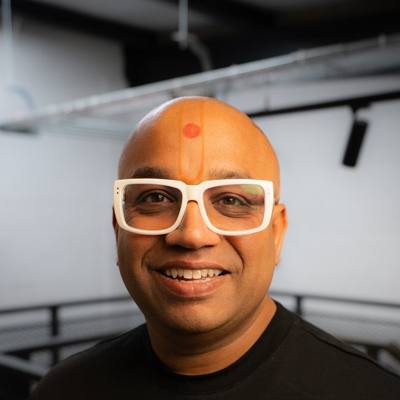 By Dr Bhavin Bhatt BDS MFGDP RCS (Eng) · GDC 76358
Updated November 2026
About this CPD
- Format
- Free online self-study, about 1 hour: this page, the required reading below, a five-question check and a short feedback form.
- CPD hours
- 1 hour of verifiable CPD
- Aim
- To help dental professionals recognise how tooth position contributes to restorative problems, consider pre-restorative orthodontic options alongside restorative ones, and plan and consent patients appropriately.
- Objectives
- Describe how malposition can contribute to wear, fracture, gingival problems and difficult restorative access.
- Explain how moving teeth before restoration can reduce the amount of tooth preparation needed.
- Identify when to refer, and the importance of working within your competence.
- Use scans and simulations to support planning and consent without overpromising outcomes.
- GDC development outcomes
- C: Maintenance and development of knowledge and skill within your field of practice.
- A: Effective communication with patients, the dental team and others across dentistry, including obtaining valid consent, dealing with complaints and raising concerns when patients are at risk.
- D: Maintenance of skills, behaviours and attitudes which maintain patient confidence in you and the dental professions and put patients’ interests first.
- Provider and quality assurance
- Provided by Bhavin Associates Ltd (company 07713563). Quality assured by Dr Bhavin Bhatt BDS MFGDP RCS (Eng), GDC 76358, for Bhavin Associates Ltd. See how CPD is quality assured.
Where tooth position meets restoration
Teeth in the wrong position are harder to keep healthy and harder to restore well. Crowding traps plaque. Teeth in crossbite or edge-to-edge relationships can wear or chip. Proclined or retroclined teeth may need heavy preparation to restore to a pleasing shape. A tooth positioned outside the bone may be at greater risk of recession.
When the treatment plan considers only restoration, the answer to a malpositioned tooth is often to cut it into line with a crown or veneer. Considering tooth position first opens a second option: move the tooth, then restore it more conservatively, or not at all.
Moving before restoring
- Less preparation: aligning teeth before veneers or crowns can reduce the amount of healthy tooth removed.
- Space management: opening or closing space can improve the proportions of restorations or create space for an implant.
- Wear and occlusion: correcting an edge-to-edge or crossbite relationship can change how load is distributed, which may be relevant when planning for worn teeth.
- Access and hygiene: aligned teeth are easier to clean and to restore at the margins.
Orthodontic movement is not risk-free. Root resorption, relapse without retention, gingival changes and the time involved must all be part of the discussion. For some patients, restoration alone, or monitoring, remains the better choice.
Competence and referral
Orthodontic treatment, including with clear aligners, should be provided only by clinicians with appropriate training and experience, working within their competence and the GDC Standards. Complex cases, skeletal discrepancies, significant periodontal disease and cases needing surgery should be referred to a specialist. A comprehensive assessment, including periodontal status, caries risk and radiographs where indicated, should come before any tooth movement.
The role of scans
A full-arch scan with a bite record supports this conversation in several ways: it records the starting position, shows wear facets and contacts, and allows comparison over time to see whether teeth are drifting or wear is progressing. Many systems can also produce simulations of possible tooth movement or of a planned result.
Simulations are communication tools, not guarantees. Explain that the final result depends on biology, compliance and planning, and record that you have done so.
Consent and planning
- Present the options side by side: restoration alone, orthodontic movement followed by restoration, orthodontic movement alone, and monitoring.
- Explain the benefits, risks, time and cost of each, including the risks of no treatment.
- Discuss retention: without it, teeth may move back.
- Record the options discussed, any simulation shown and the patient's decision.
Putting it into practice
For the next five patients for whom you are considering veneers or crowns on malpositioned teeth, write down whether moving the teeth first could reduce preparation, and discuss that option, including referral where appropriate.
Required reading
Read these short pages as part of this CPD:
- Clear aligners in general practice: case selection and consent (free CPD)
- Recording occlusion digitally (free CPD)
- Managing existing restorations: monitor, repair or replace (free CPD)
Doing this as a team? Send it to your nurses and hygienists: WhatsApp · Email
Check your learning
Answer all five questions. You need four correct to continue. You can try again.
Feedback and certificate
Your feedback is part of quality control and is required before your certificate is issued. Your name and GDC number appear on the certificate. We keep your feedback and details to manage CPD records; see the privacy notice.
Your certificate
Thank you. Your certificate is ready.
Keep it with your CPD record and personal development plan, and note which development outcomes it meets.
Share it: Post on LinkedIn · Send on WhatsApp
GDC CPD requirements explained →
Get the white paper and the starter guide
Free. Enter your email and both open straight away.