Digital First Dentistry › Delegated intraoral scanning
Delegated intraoral scanning: a guide for dental nurses and the team
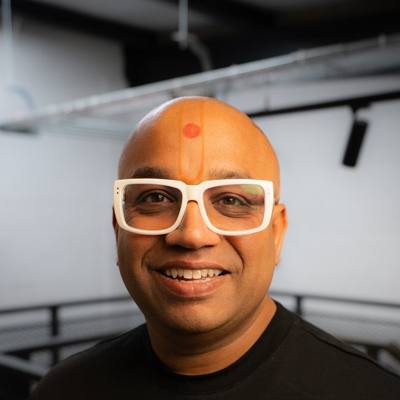 By Dr Bhavin Bhatt BDS MFGDP RCS (Eng) · GDC 76358
Updated November 2026
About this CPD
- Format
- Free online self-study, about 1 hour: this page, the required reading below, a five-question check and a short feedback form.
- CPD hours
- 1 hour of verifiable CPD
- Aim
- To help dental nurses and the wider team take good-quality intraoral scans safely, within their scope of practice, as part of routine care.
- Objectives
- Describe what needs to be in place before a dental nurse takes scans.
- Take a full-arch scan with a bite record that is suitable for comparison.
- Check a scan for gaps and errors before the patient leaves.
- Explain the nurse’s role in talking to patients about scans without giving clinical opinions.
- GDC development outcomes
- B: Effective management of self and effective management of others or effective work with others in the dental team, in the interests of patients at all times; providing constructive leadership where appropriate.
- C: Maintenance and development of knowledge and skill within your field of practice.
- Provider and quality assurance
- Provided by Bhavin Associates Ltd (company 07713563). Quality assured by Dr Bhavin Bhatt BDS MFGDP RCS (Eng), GDC 76358, for Bhavin Associates Ltd. See how CPD is quality assured.
Why delegate scanning
Routine scanning works best when the whole team owns it. Delegating the scan to a trained dental nurse frees the clinician to examine and explain, and makes it more likely that every appropriate patient is scanned.
Before a nurse scans
- Scope of practice: work within the GDC's Scope of Practice guidance and anything your indemnity and practice policies require.
- Training: hands-on training on the practice scanner, practice on colleagues, then supervised scans on patients.
- Prescription and protocol: the clinician decides who is scanned; a written protocol says how, and who checks the scan.
- Records: note who took the scan.
Taking a good full-arch scan
- Prepare the scanner, tip and software before the patient sits down.
- Explain what will happen and check the patient is comfortable.
- Control moisture: dry the teeth and use retraction where needed.
- Follow the manufacturer's recommended scan path for each arch.
- Record the bite on both sides.
- Check the scan on screen for gaps, especially on distal surfaces, and fill them.
Checking before the patient leaves
A scan with gaps cannot be compared reliably next time. Check that both arches are complete, the bite is correct, and the scan is saved to the right patient and date. Flag anything the clinician should look at.
Talking to patients
Patients often ask the nurse what the scan shows. It is fine to explain what a scan is and how it will be used, and to say the dentist will go through it. Leave findings, diagnoses and treatment options to the clinician, using the practice's shared language.
Making it routine
Agree a daily target, keep tips and supplies stocked, and review the scans-per-day number as a team each month.
Required reading
Read these short pages as part of this CPD:
- Routine intraoral scanning at the check-up
- Disinfection and decontamination of intraoral scanners
- Delegated scanning
Doing this as a team? Send it to your nurses and hygienists: WhatsApp · Email
Check your learning
Answer all five questions. You need four correct to continue. You can try again.
Feedback and certificate
Your feedback is part of quality control and is required before your certificate is issued. Your name and GDC number appear on the certificate. We keep your feedback and details to manage CPD records; see the privacy notice.
Your certificate
Thank you. Your certificate is ready.
Keep it with your CPD record and personal development plan, and note which development outcomes it meets.
Share it: Post on LinkedIn · Send on WhatsApp
Clear aligners in general practice: case selection and consent →
Get the white paper and the starter guide
Free. Enter your email and both open straight away.