Digital First Dentistry › Getting value from a scanner you already own
Getting value from a scanner you already own
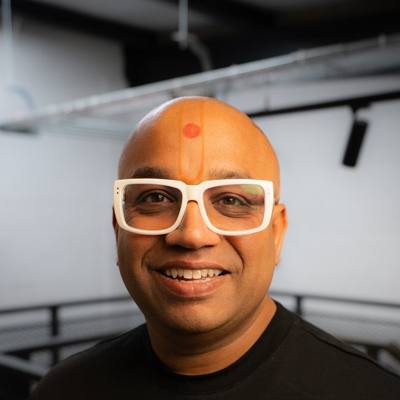 By Dr Bhavin Bhatt BDS MFGDP RCS (Eng) · GDC 76358
Updated November 2026
Many practice owners bought an intraoral scanner to replace impressions. It does that well. But a scanner used only to make crowns and aligners is working at a fraction of what it can do. Before thinking about new equipment, it is worth asking how the one you have is used.
Three questions to ask your team
- How many routine check-up scans did each clinician take last week?
- When did we last compare a patient's scan with their previous one?
- What do we do after a scan shows something worth watching?
If the honest answers are "few", "rarely" and "not much", the opportunity is in the routine, not the hardware.
Measure the right thing
Ownership is not use. Track routine scans per clinician per day, and review the number monthly. It is the simplest measure of whether the scanner is part of diagnosis or only part of manufacturing.
Work out what it is worth
The scanner ROI calculator separates two sources of return: impressions replaced, and treatment patients accept after seeing their own scan. Enter your own figures to see which matters more in your practice.
Before buying another scanner
A second or newer scanner rarely fixes a routine that has not formed. Check that the existing one is used at every appropriate check-up first. If you are comparing models, the guide to choosing a scanner sets out what to look at; no manufacturer is recommended over another.
For groups
Across several practices, the same routine and the same measure make performance comparable. See rolling out digital first across a group.
Get the white paper, starter guide and checklist
Free. Enter your email and we will email all three to you.
Check your inbox.
We have sent you a short email to confirm your address. Click the button in it and your free resources arrive straight away. If it is not there in a few minutes, look in your spam or promotions folder.